
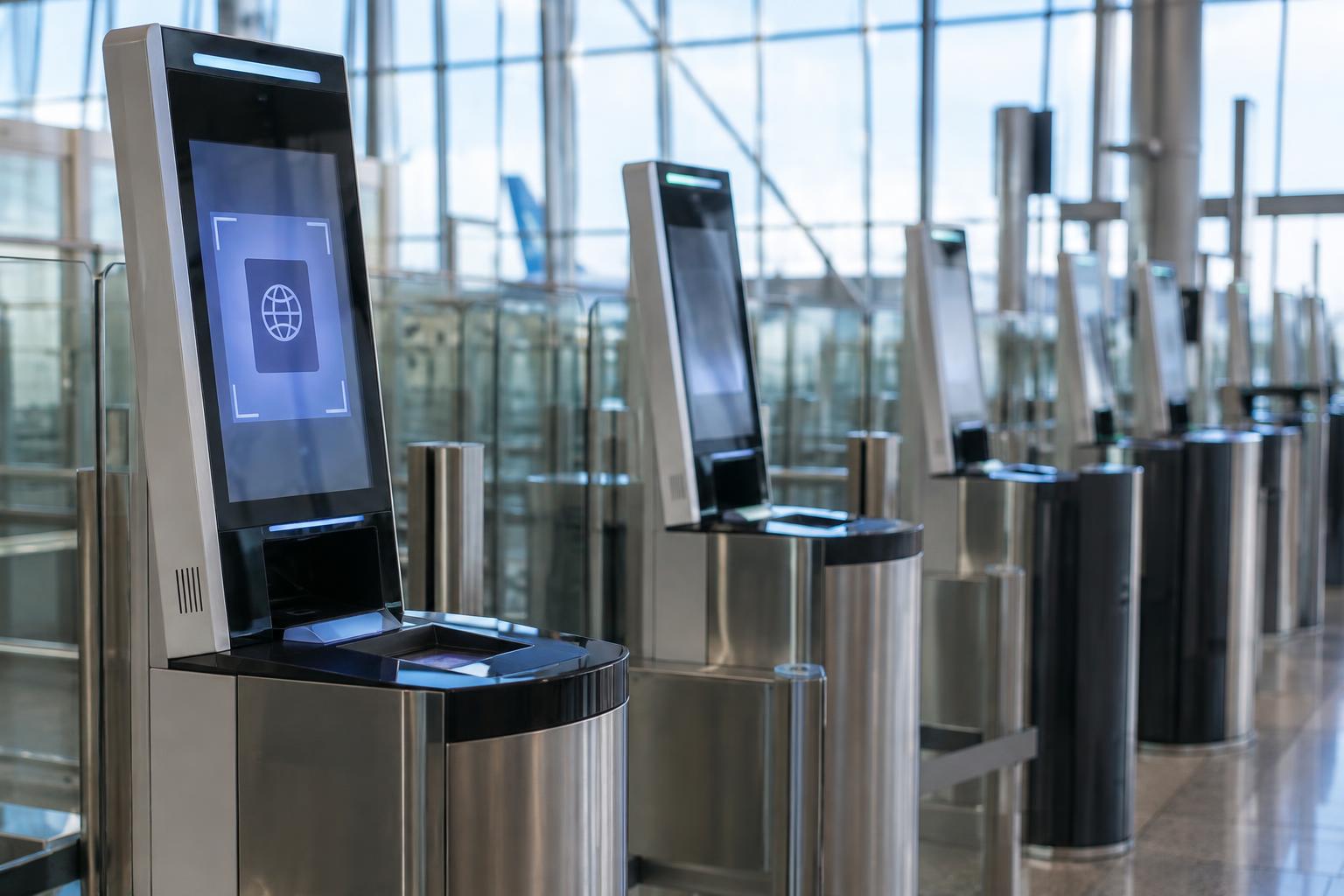
EES: an operational border system
The European Commission identifies 10 April 2026 as the date the Entry/Exit System (EES) replaced passport stamping for covered short-stay travellers. It registers non-EU nationals crossing the external borders of 29 participating European countries.
The system records names, travel-document information, fingerprints, facial images, and the date and place of entry and exit. It also records refusals of entry and is designed to help identify overstayers.
The Commission describes the relevant short-stay framework as up to 90 days in any 180-day period. Digital recording should not be mistaken for an extension of the permitted stay.
Official deployment and practical operation differ
Commission announcements in April and July describe EES as fully operational. However, Fragomen’s 29 September update reports that several countries, including Germany and France, were not using it at every border at all times.
That later operational reporting qualifies expectations about a completely uniform experience. It does not establish that EES has been withdrawn or that travellers can disregard border procedures.
The Commission also identifies exemptions for certain categories. Students and residents should check their own position rather than assume that rules for short-stay tourists automatically apply to them.
ETIAS: not open for applications
ETIAS is separate from EES. The Commission’s April explanation anticipated a launch in the final quarter of 2026, but October reporting says that timetable has been removed.
A report dated 19 October says the official ETIAS page states that the system is not operating, applications are not being collected and a start date will be announced several months beforehand. The supplied material therefore does not support presenting the earlier launch window as current.
What this means for you
Indian tourists visiting Germany, Spain or other Schengen destinations should prepare for EES border recording and keep track of their permitted stay. ETIAS, described in the reporting as a scheme for visa-free visitors, is not a substitute for a required Schengen visa.
Do not pay a website claiming to issue ETIAS before the system opens. Confirm the latest launch information, EES exemptions and travel requirements on the European Commission’s official pages before departure.
Source: home-affairs.ec.europa.eu — always confirm details on the official website.
All updates